Context & Challenge
A global health breakthrough facing a human barrier
The World Mosquito Program (WMP) is a global non-profit tackling mosquito-borne diseases such as dengue, Zika, chikungunya and yellow fever through the release of mosquitoes carrying Wolbachia, a naturally occurring bacterium that blocks virus transmission. Active across Latin America, Asia and Oceania, the programme operates in some of the regions most exposed to these diseases.
The scale of the challenge is global and accelerating. Mosquito-borne diseases put nearly half of the world’s population at risk and continue to spread despite decades of control strategies focused on eliminating mosquitoes. In 2024 alone, dengue reached its highest level on record, with more than 14 million cases and over 10,000 deaths worldwide . Traditional approaches have struggled to keep pace with urbanisation, climate change and global mobility.
WMP’s intervention represents a fundamental shift. Instead of trying to eradicate mosquitoes, it transforms them. By introducing Wolbachia into mosquito populations, the programme prevents the transmission of viruses and creates a self-sustaining form of protection that spreads naturally over time.
Science works. But its success depends on something far less predictable.
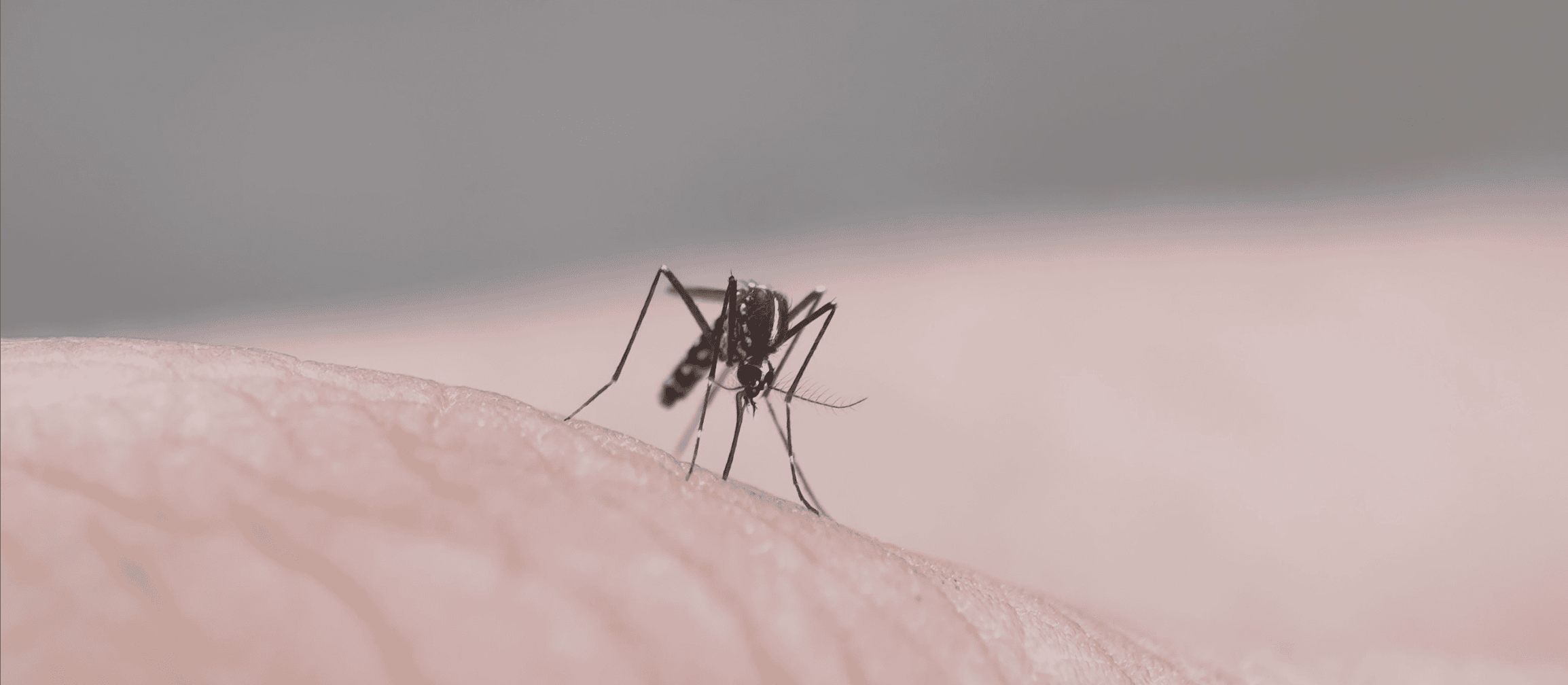
To reduce mosquitoes as a threat, the programme releases more of them.
In communities already living with the consequences of these diseases, this premise creates immediate friction, doubt and, in some cases, active resistance. The intervention challenges deeply ingrained perceptions of risk, control and protection.
WMP had a breakthrough. What it needed was trust, at scale, across radically different cultures and belief systems.
Strategic Insight
From acceptance to ownership
MOJO’s strategy team reframed the challenge from the outset. This was not a communications problem. It was a behavioural adoption challenge, rooted in how communities perceive risk, trust, and collective action.
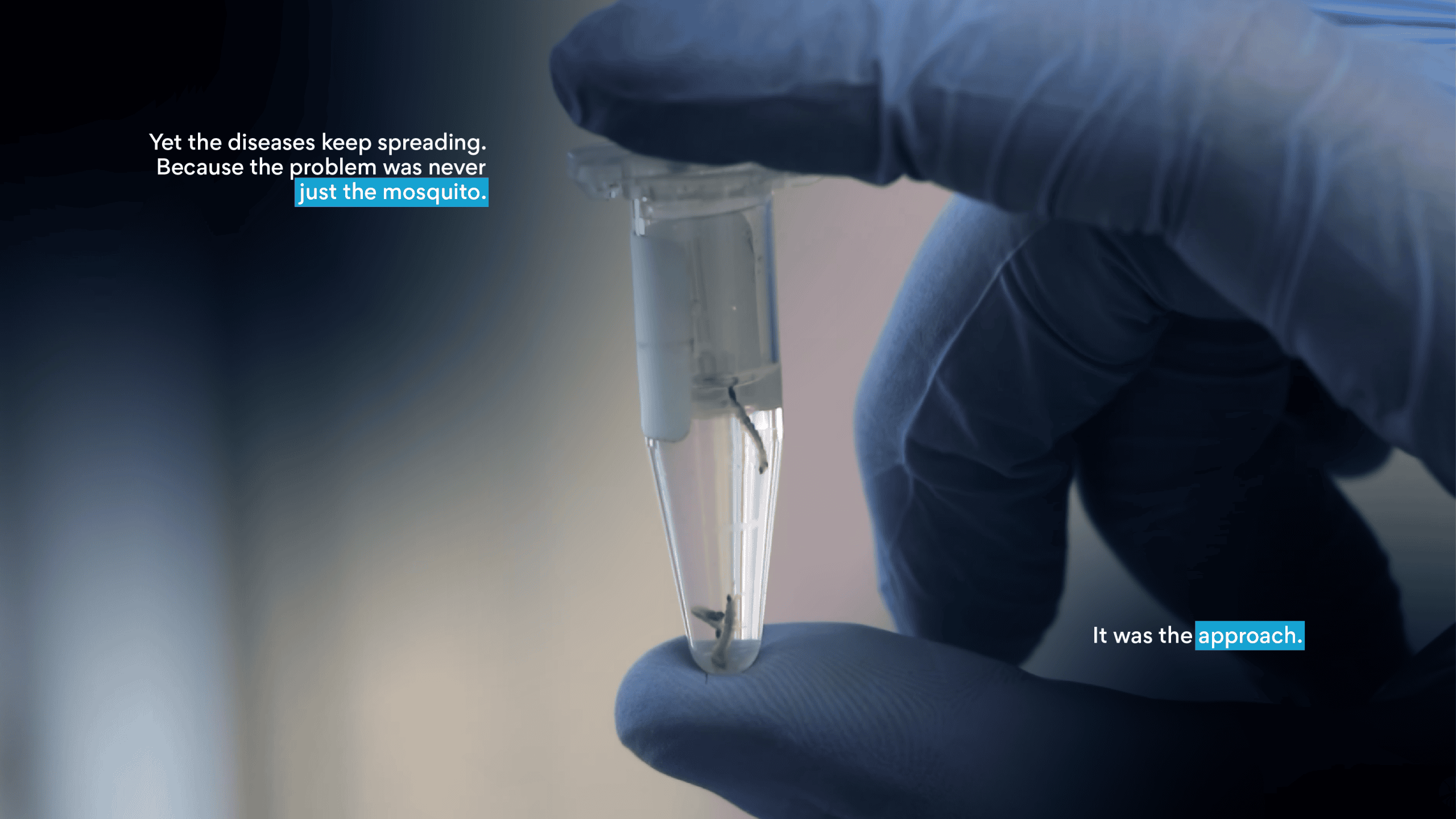
A global consultation across Latin America, Asia and Oceania revealed a consistent pattern. The barrier was not a lack of understanding. Communities grasped the science. What they resisted was its implication. Releasing mosquitoes contradicted everything they had been taught about protection and control.
The gap was not informational. It was cultural and emotional.
Across markets, a top-down, science-led narrative proved insufficient. It could explain the solution, but it could not legitimise it. Acceptance did not fail because people did not understand. It failed because they did not recognise the solution as something that belonged to them.
This led to a decisive insight: people do not adopt what they do not feel part of.
From this, MOJO developed a Public Acceptance Model built on a simple principle: trust precedes deployment, and trust is built through participation.
Across all regions, one human dynamic consistently emerged. The notion of hospitality. The instinct to welcome what protects your home, and to protect what belongs to your community.
The strategy therefore shifted fundamentally.
From introducing a solution to enabling communities to take ownership of it.
From asking people to accept the intervention to inviting them to welcome it.
Solutions
Turning participation into a global system of adoption
MOJO created “We Welcome Wolbachia”, a global campaign designed to travel across cultures while remaining locally owned. Rather than relying on a single message, the campaign was conceived as a system of participation, capable of adapting to diverse contexts while preserving a coherent core idea.
Solutions
The Creative Concept
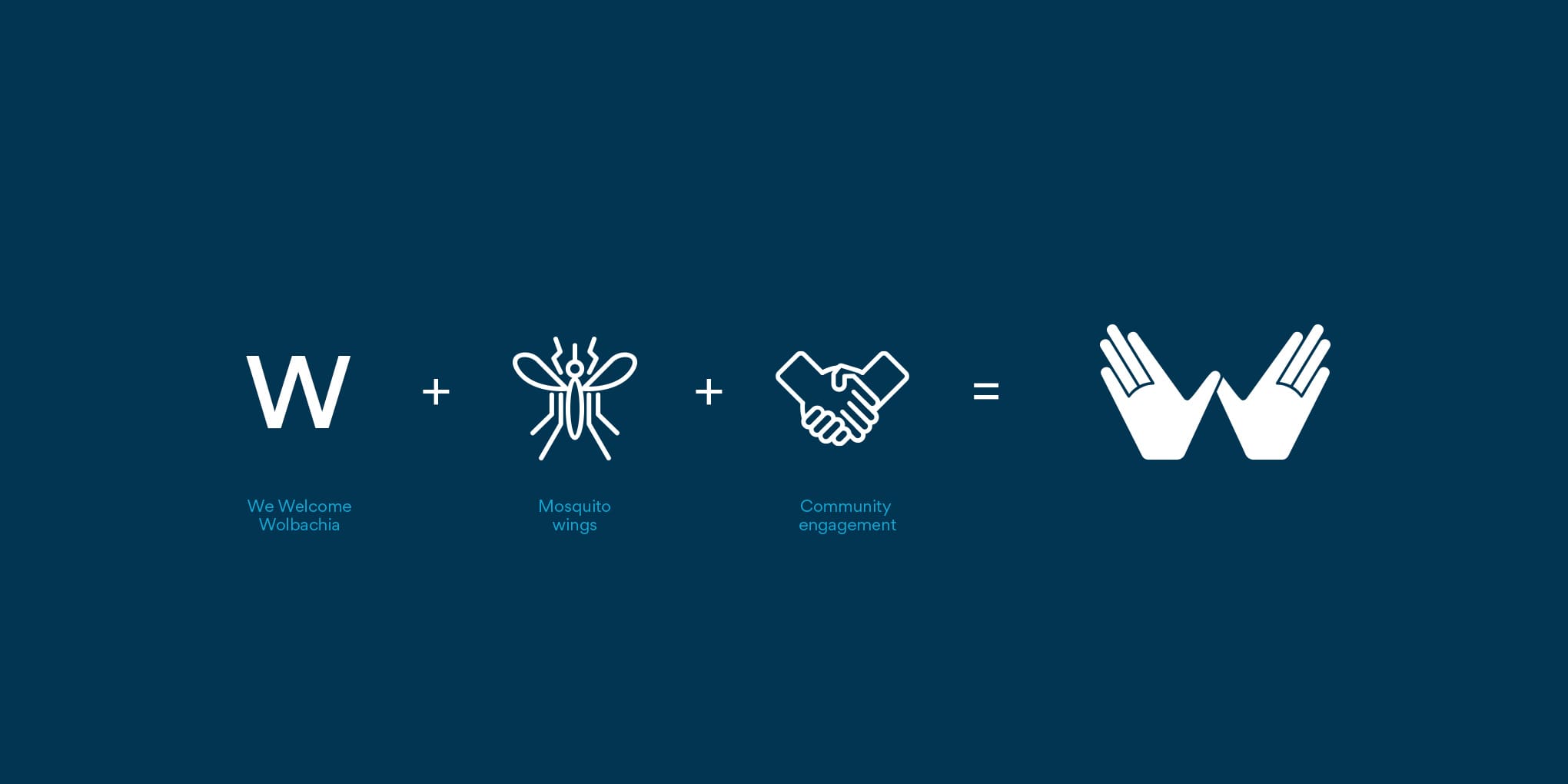
The campaign needed to function instantly, across geographies and audiences, regardless of language, age or literacy level. “We Welcome Wolbachia” places communities at the centre of the intervention, not as passive recipients of a public health solution, but as active participants in a shared movement. The strength of the idea lies in the collective dimension introduced by the “We”, which reframes the intervention as a common effort rather than an external action.
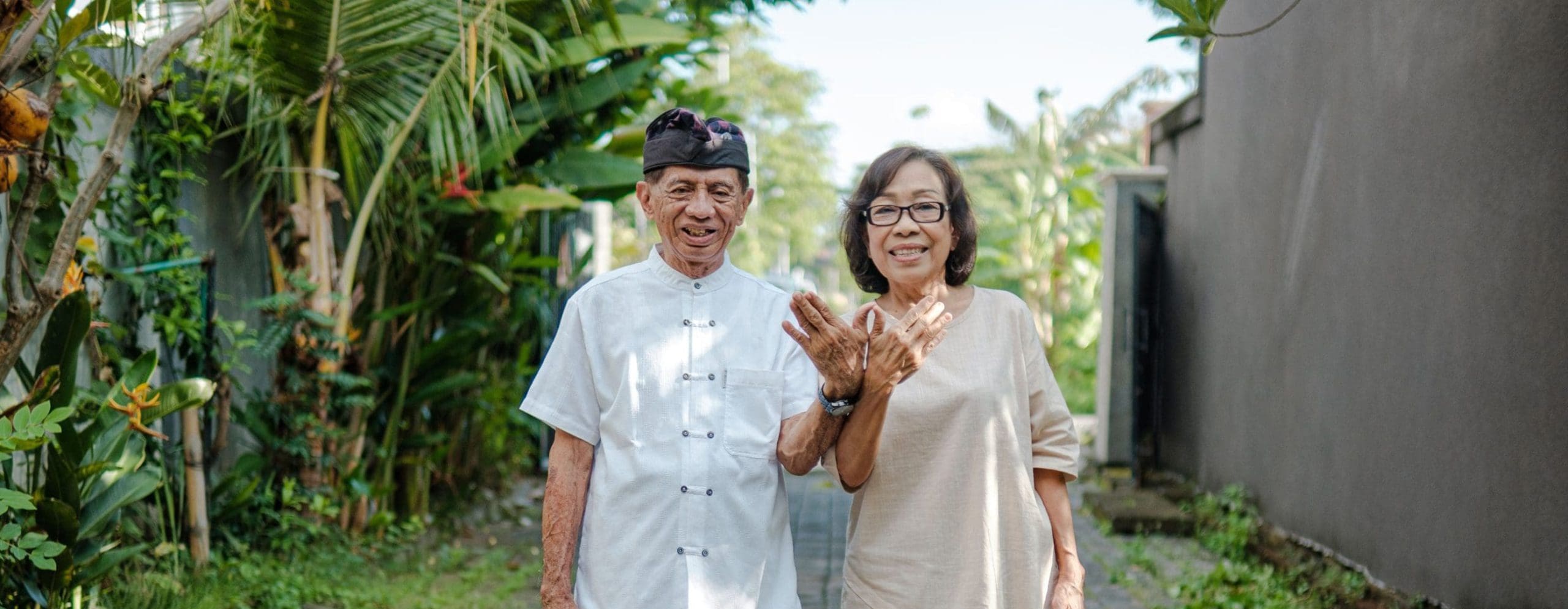
To overcome linguistic and cultural barriers, the campaign was anchored in a single, universal gesture expressing welcome. This gesture was designed as both a symbol and an action: easily recognisable, intuitive to perform, and immediately shareable across contexts without the need for explanation.
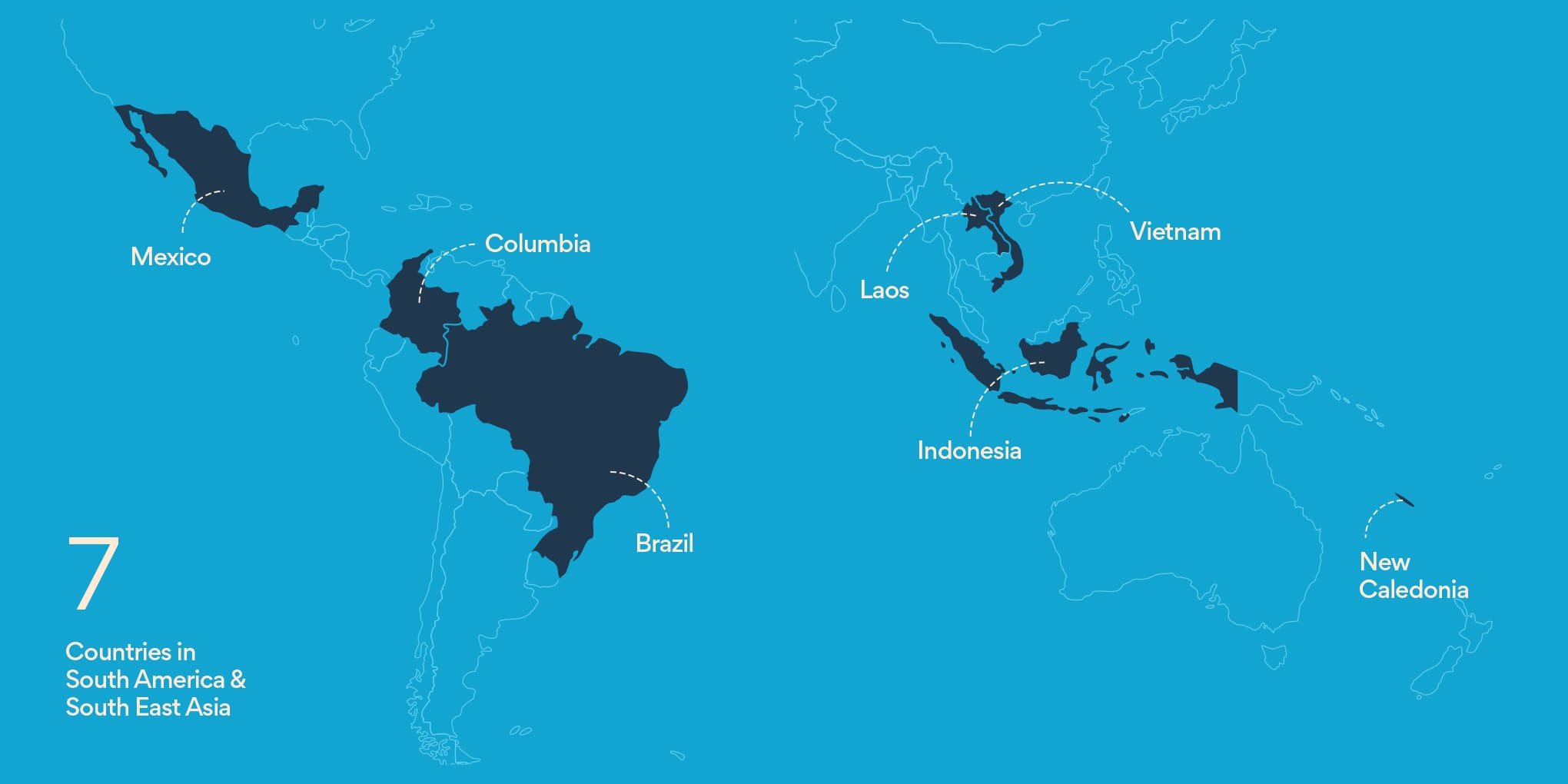
By adopting this gesture, individuals could express support, signal belonging and actively contribute to the visibility of the programme. Across markets such as Brazil and Vietnam, the gesture became a unifying element, allowing the campaign to move from a message to an embodied practice, where participation itself became the primary vector of communication.
Solutions
Community Engagement
Participation was intentionally designed as the central mechanism of adoption.
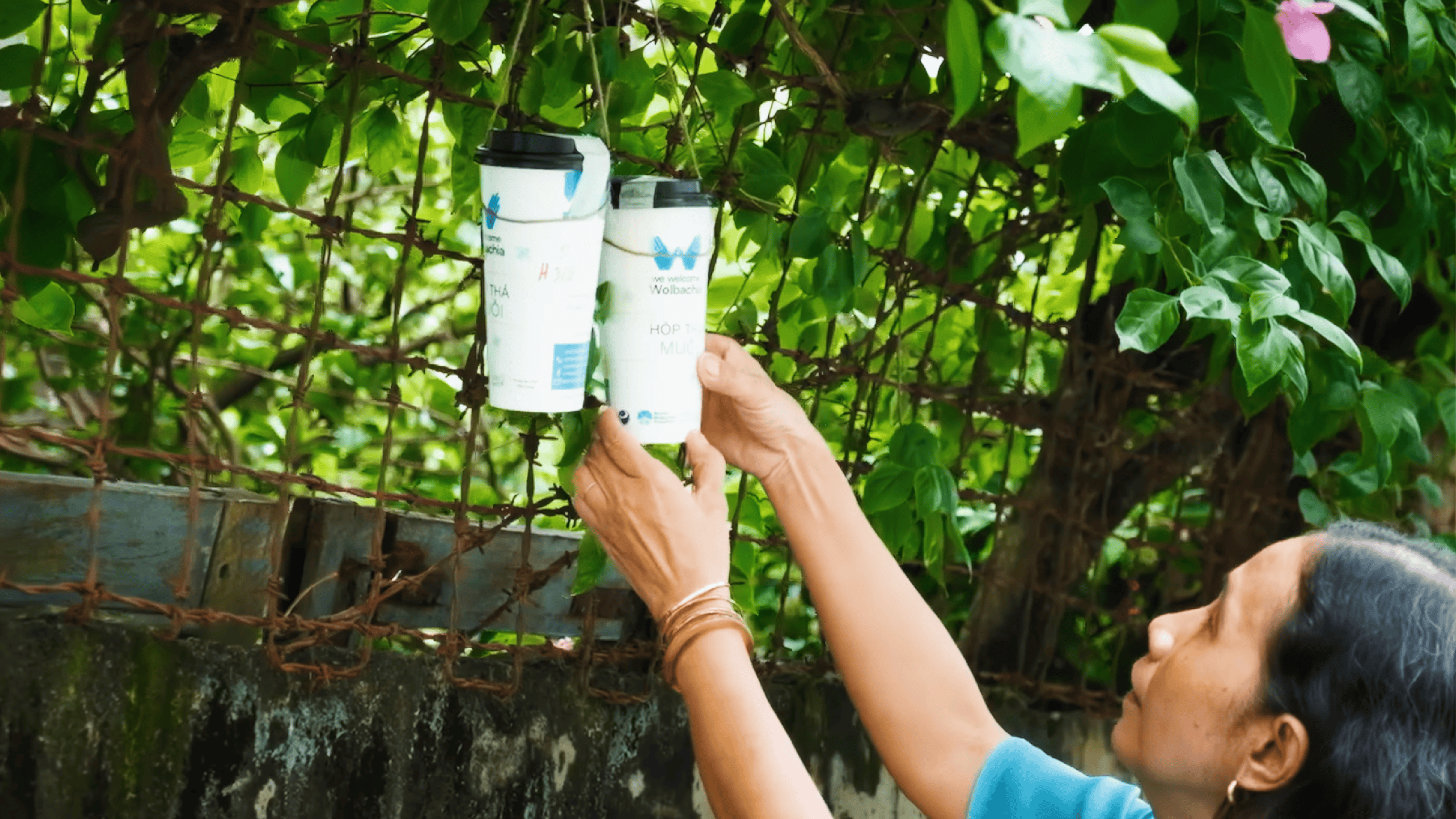
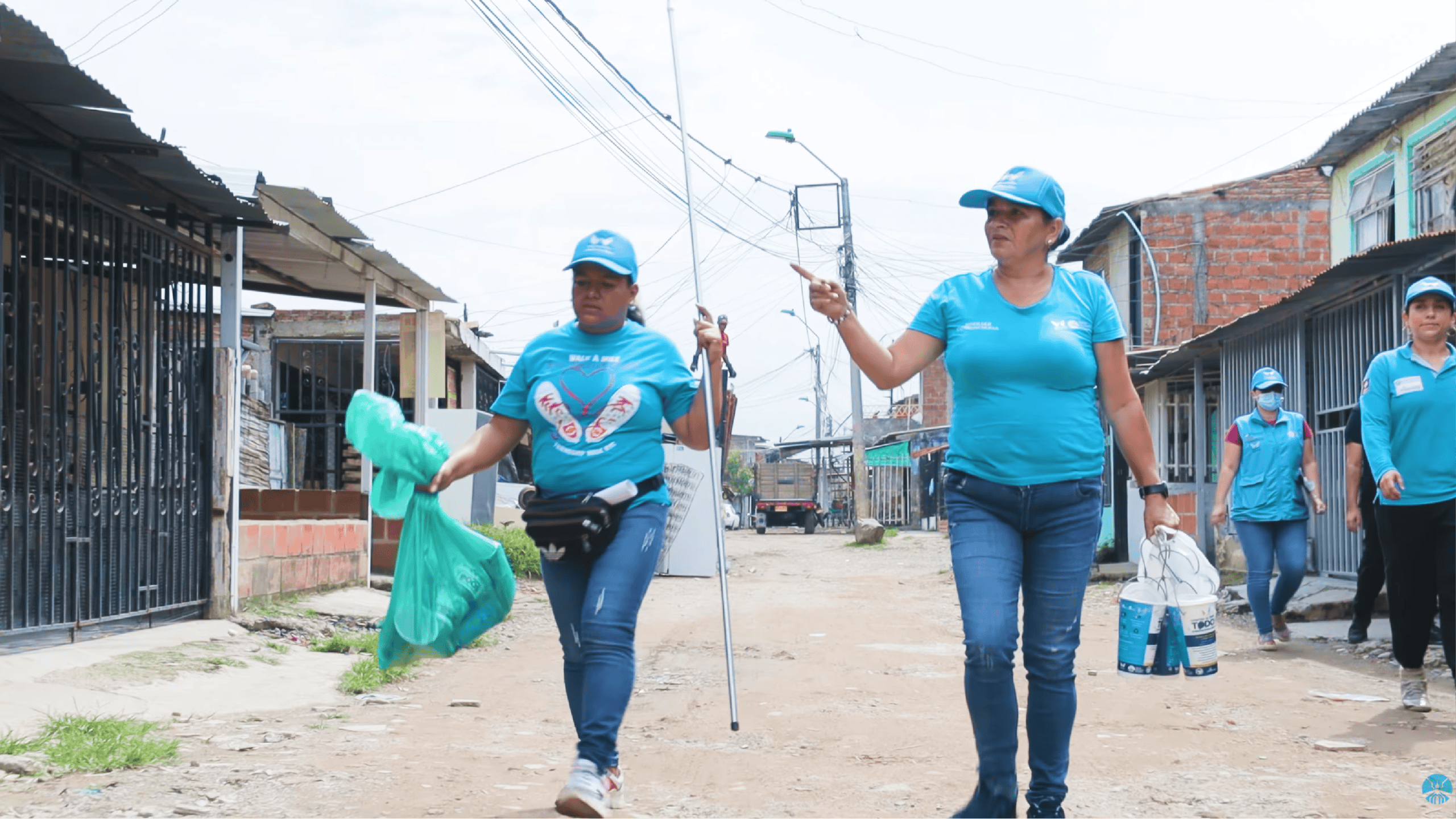
Residents were invited to host mosquito release containers, take part in field deployments and contribute directly to the implementation of the programme. This approach transformed the nature of the intervention. Instead of being perceived as something imposed from outside, it became a shared responsibility embedded within the community.
As a result, individuals shifted from being targets of communication to becoming contributors and advocates. The programme evolved from an external intervention delivered to communities into a collective process carried by them.
Solutions
Toolkit & Deployment
To ensure global scalability without compromising local relevance, MOJO developed a modular deployment system structured around adaptable assets, video content, messaging frameworks and detailed activation guidelines.
This system enabled local teams to interpret and activate the campaign according to their cultural context, operational constraints and community dynamics, while maintaining alignment with the overarching strategy.
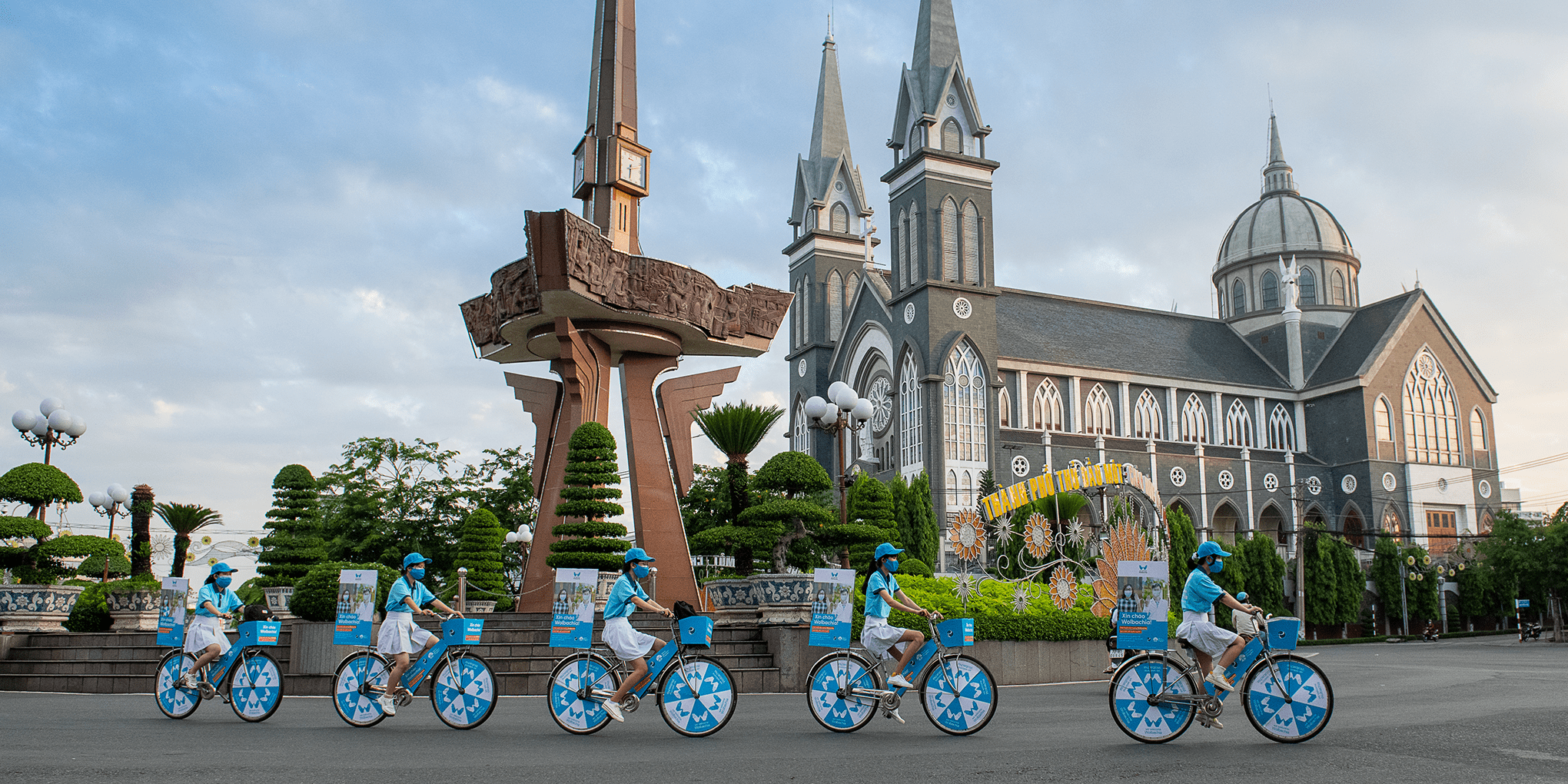
Rather than enforcing uniform execution, the approach prioritised coherence through flexibility. The campaign could take different forms depending on the market, from community activations in traditional markets to locally produced content and digital outreach through platforms such as WhatsApp, while consistently reinforcing the same core idea of participation and ownership.
Results & Impact
When participation drives impact at scale
The results of the campaign are inseparable from the programme’s outcomes. When communities move from resistance to participation, the science can operate at its full potential.
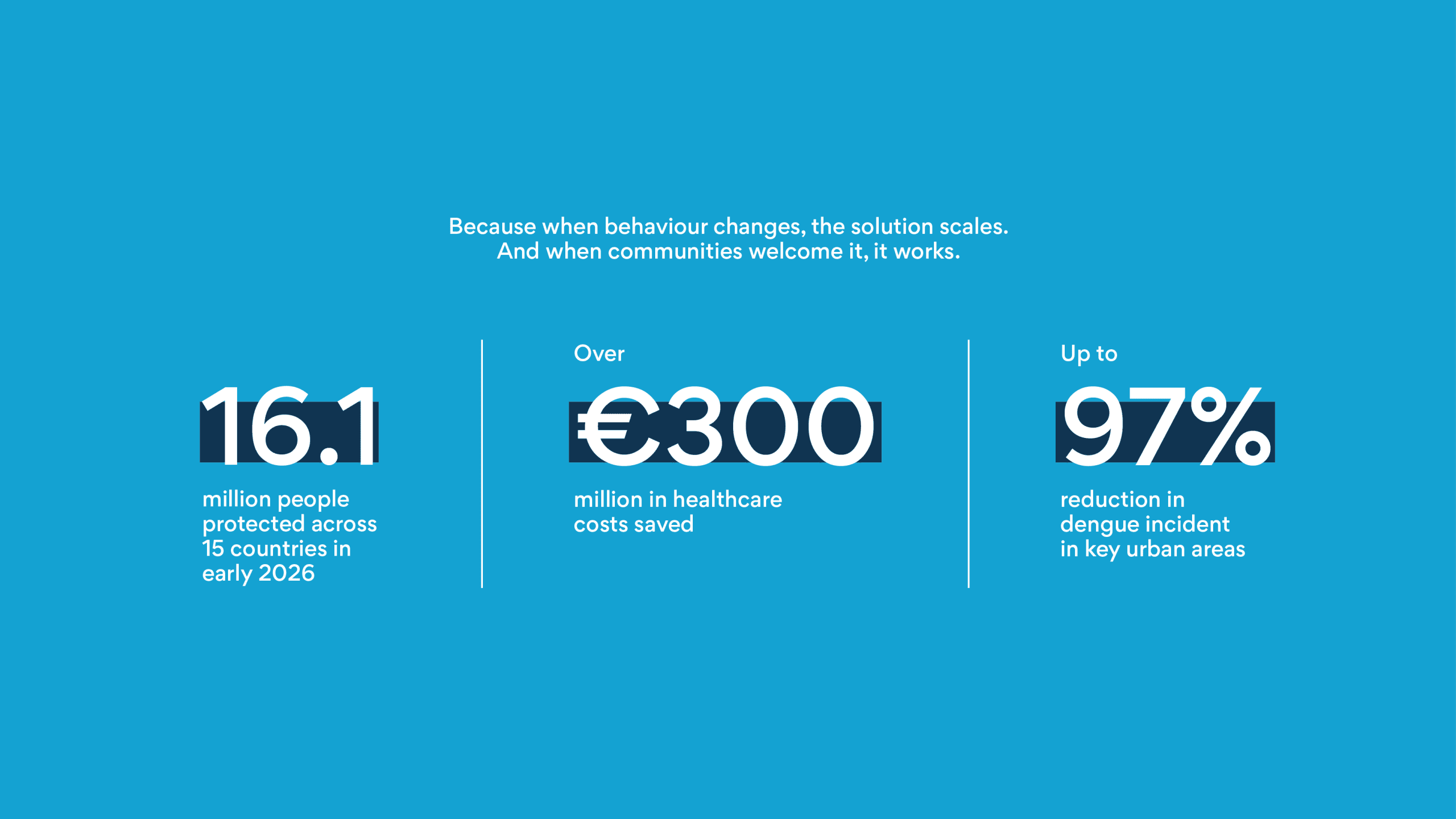
Today, more than 16.1 million people are protected across 15 countries, with an estimated 1 million dengue cases prevented globally. In key urban areas, dengue incidence has dropped by up to 92–97%, demonstrating the effectiveness of the Wolbachia method when deployed at scale. These outcomes have translated into an estimated USD 331 million in healthcare cost savings, while significantly reducing pressure on local health systems .
Crucially, this impact is rooted in community engagement. In Brazil alone, more than 1 million residents actively participated in mosquito release activities, illustrating the shift from passive acceptance to active contribution.
The campaign was deployed through a deliberately diverse and locally embedded media ecosystem, including music videos, street-level activations in traditional markets, tuk-tuk campaigns across Asian cities, and digital engagement through WhatsApp groups and community platforms. By integrating into existing cultural behaviours and communication channels, the campaign ensured relevance and accessibility in each context.
Beyond performance metrics, the campaign enabled a structural shift in how the programme scales. By transforming acceptance into participation, it allowed WMP to move beyond isolated pilots towards national rollouts and industrial-scale deployment, including the development of large-scale production infrastructure capable of supporting long-term expansion .
The impact is therefore not only epidemiological. It is systemic. The campaign created the conditions for sustained adoption, accelerating the transition from local experimentation to global implementation.
Global Indicators
- Up to 97% reduction in dengue incidence in key urban areas
- 16.1 million people protected across 15 countries (early 2026)
- 1 million dengue cases prevented globally
- over €300 million in healthcare costs saved
Testimonial
“I highly recommend MOJO Agency for their exceptional work on our global campaign. Their team conducted thorough research by interviewing our staff and proposed an idea that proved successful across multiple countries. The concept was creative, practical, adaptable, and easy to understand for both our teams and the public.”
Howie Phung, Global Communications Manager, World Mosquito Program